Fireplace Trends 2027: 5 Designs Shaping Luxury Interiors
The Fire Forecast
After years of discreet, built-in fires, the fireplace is making its presence felt again. Modus Fireplaces reveals five trends transforming how architects and interior designers incorporate fire into contemporary spaces.
For years, contemporary fireplace design was dominated by one idea: make the fire longer, cleaner and increasingly discreet. For 2027, London-based luxury fireplace specialist Modus Fireplaces predicts a shift in the opposite direction. Sculptural forms are returning, materials are becoming bolder, open-plan living is evolving into more intimate broken-plan interiors, and advances in fireplace technology are creating new possibilities for real flame.
The five defining fireplace trends for 2027 are architecturally integrated fireplaces, sculptural suspended designs, expressive natural materials, double-sided room-divider fireplaces and flueless bioethanol technology.
With four decades of experience designing and delivering bespoke fireplaces for luxury residences, hotels and commercial spaces, Modus is also witnessing a fundamental change in how fire is incorporated into architectural projects. Increasingly, the fireplace is being considered at the earliest stages of the design process, long before walls, flues and room layouts are finalised.
"For years, the trend was to make the fireplace disappear into the wall. Now we're seeing the opposite. Fire is becoming part of the architecture, dividing rooms, anchoring spaces and creating sculptural focal points," says Daniel Sanders, Director of Modus Fireplaces.
Here, Modus reveals five fireplace design trends set to shape luxury interiors in 2027.
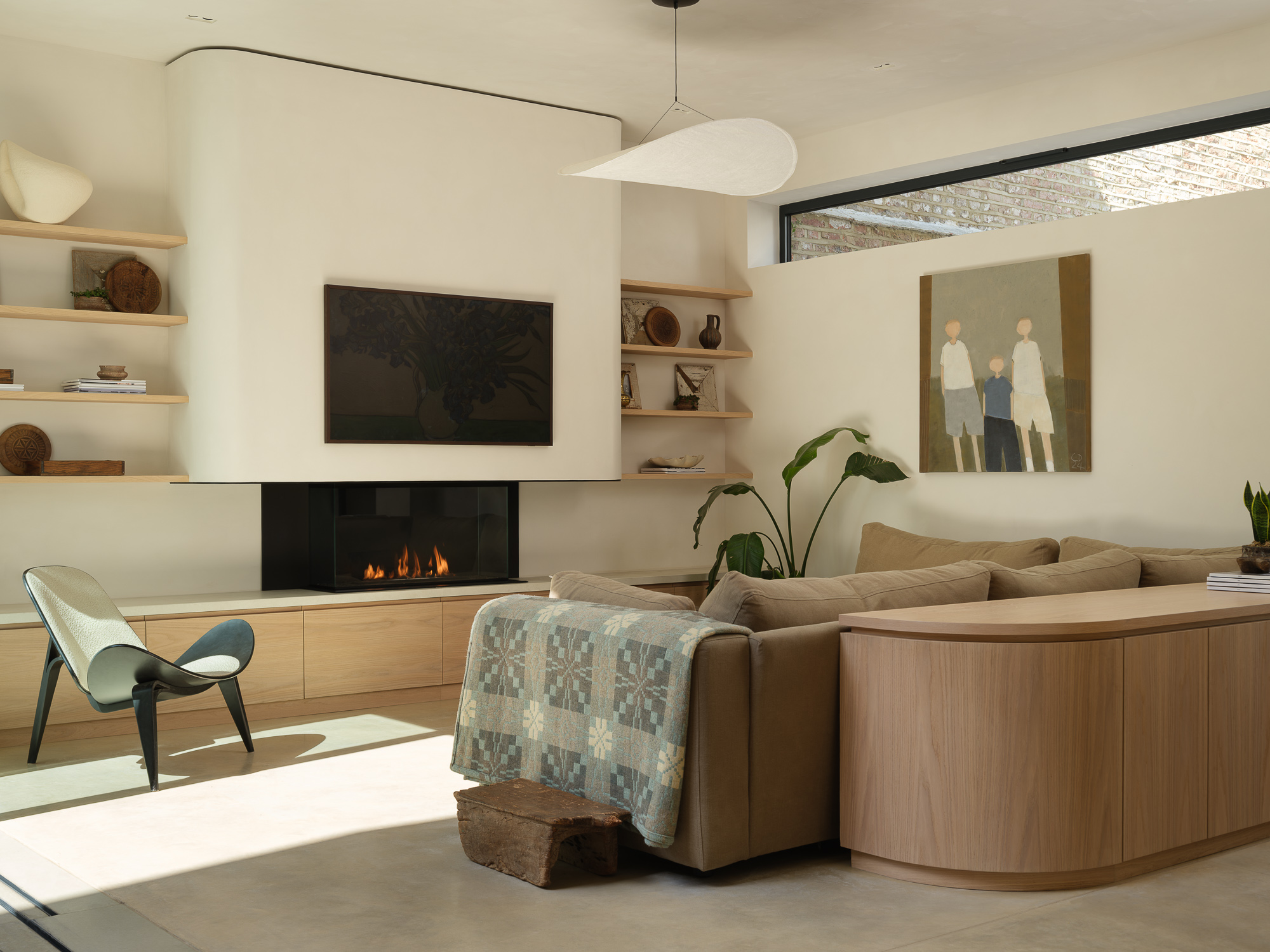
1. Fire Becomes Architecture
One of the most significant trends for 2027 is not simply how a fireplace looks, but when it enters the architectural design conversation.
Rather than choosing a fireplace once a room has been designed, architects and interior designers are increasingly incorporating fire at concept stage, allowing it to influence the structure, proportions and spatial planning of an interior. At Modus, this means working alongside design teams while layouts, sightlines, materials and building services are still being determined.
The possibilities are extensive. A bespoke fireplace might form part of a full-height architectural wall, become an integrated room divider, connect adjoining living spaces or be conceived entirely from scratch.
Early collaboration also allows practical considerations, including fuel type, ventilation, structural support, flue routing and heat management, to be resolved without compromising the original design intent.
For architects working on luxury residential or hospitality projects, this represents a fundamental shift in thinking. The fireplace is moving from finishing touch to an integral part of the architectural brief.
Explore how Modus collaborates with architects to design fireplaces that are fully integrated into their surroundings.
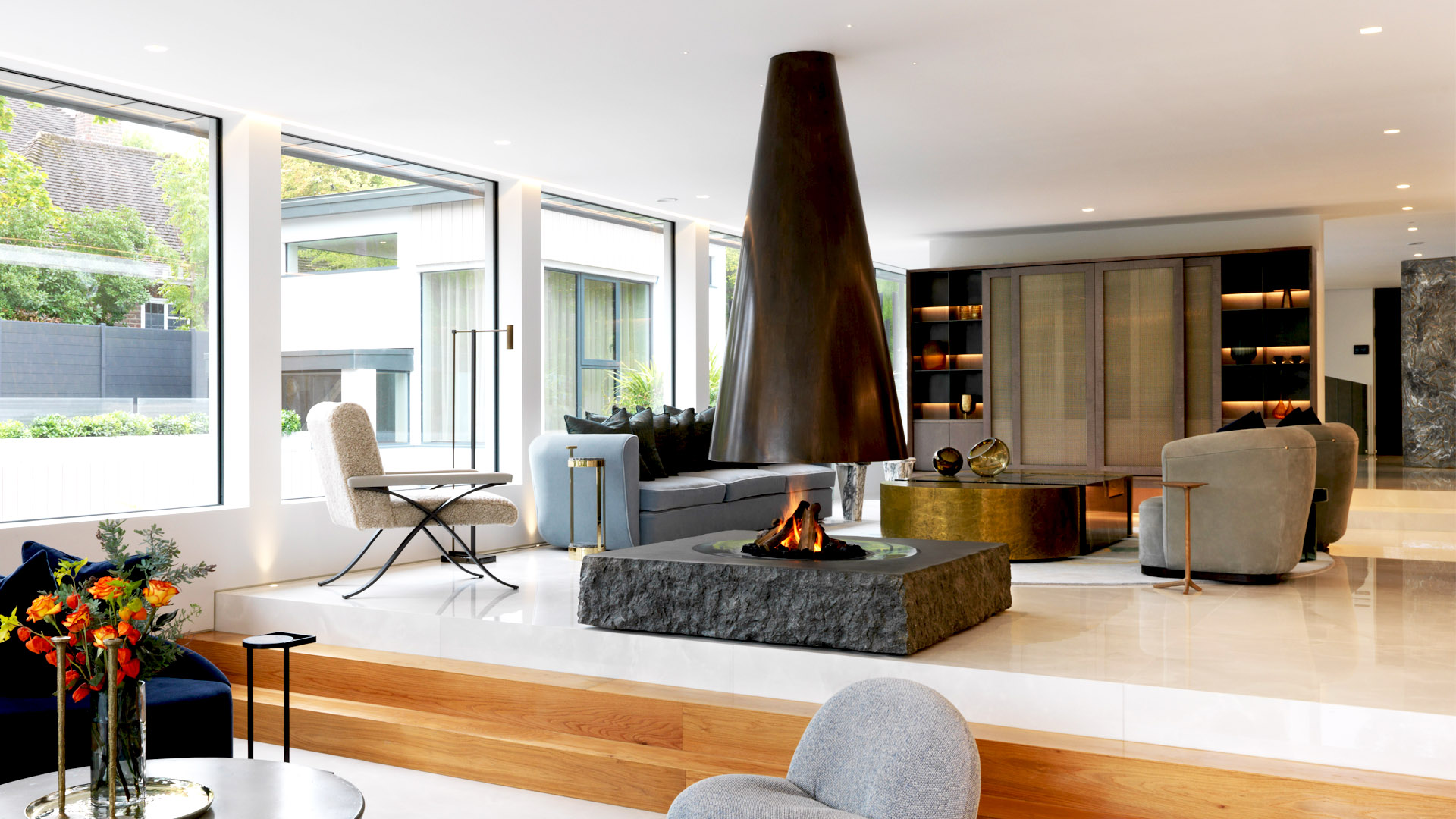
2. The Return of the Sculptural Suspended Fireplace
After years of minimalist linear fireplaces designed to disappear into walls, the fireplace is becoming a sculptural object once again.
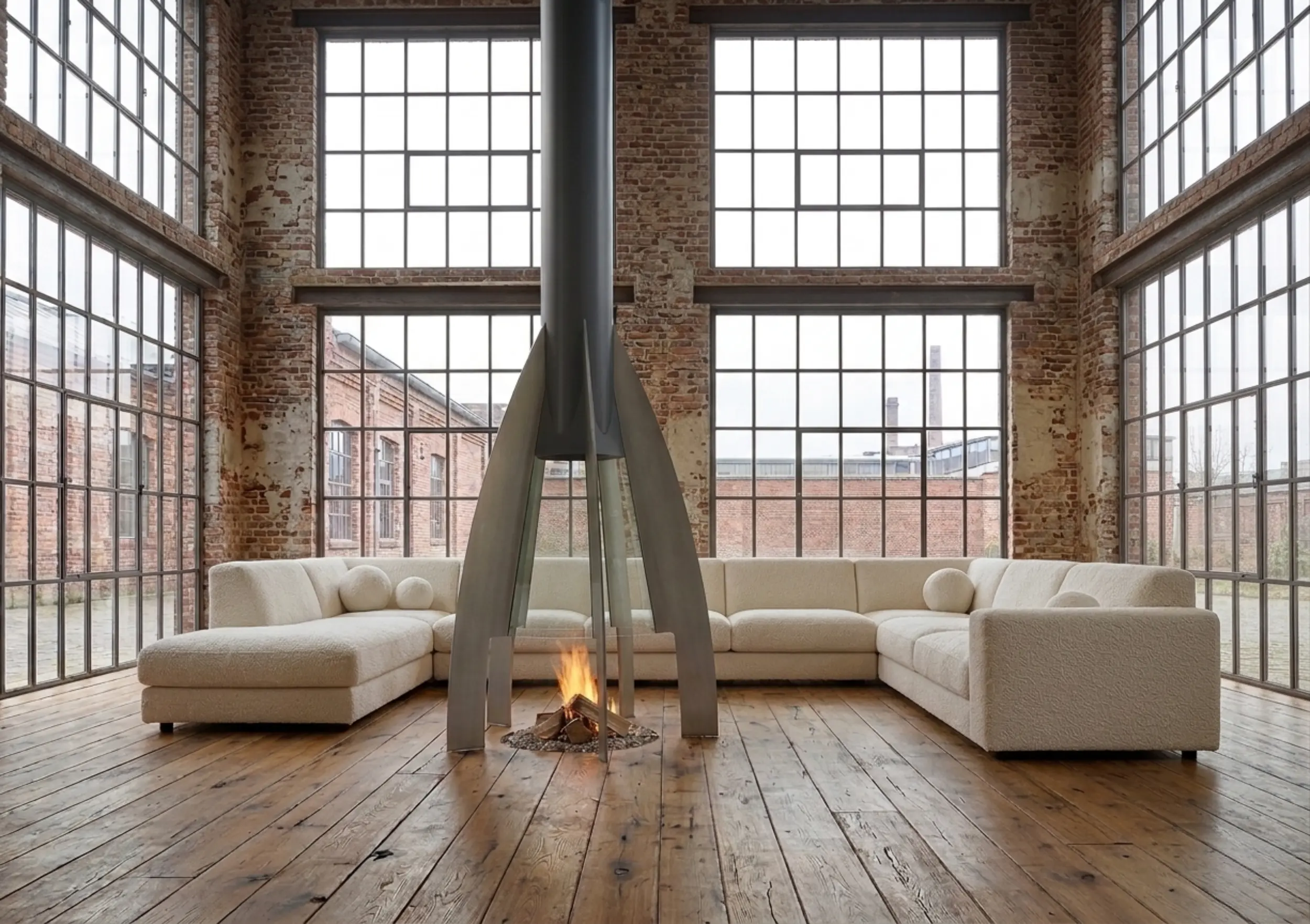
For 2027, Modus predicts renewed interest in suspended fireplaces, freestanding designs, dramatic cylindrical and conical forms, and statement fireplaces that can be viewed from multiple directions.
These designs are particularly suited to expansive open-plan interiors and double-height spaces, where a traditional wall-mounted fireplace may not provide the same architectural presence.
Models such as the Modus Orbit 05, with its dramatic suspended canopy, demonstrate how a fireplace can become a powerful sculptural centrepiece.
Meanwhile, iconic suspended designs such as the Domofocus fireplace illustrate the enduring appeal of fire as an object of design in its own right.
There is also a broader change in attitude. Rather than concealing every functional element, architects and interior designers are increasingly embracing fireplaces with distinctive silhouettes, material character and architectural presence.
A sculptural fireplace does considerably more than introduce warmth. It can anchor an expansive interior, define a natural gathering point and create visual interest from every angle.
Perhaps most importantly, its architectural impact remains long after the flames have been extinguished.
Discover the Modus collection of luxury suspended fireplaces.
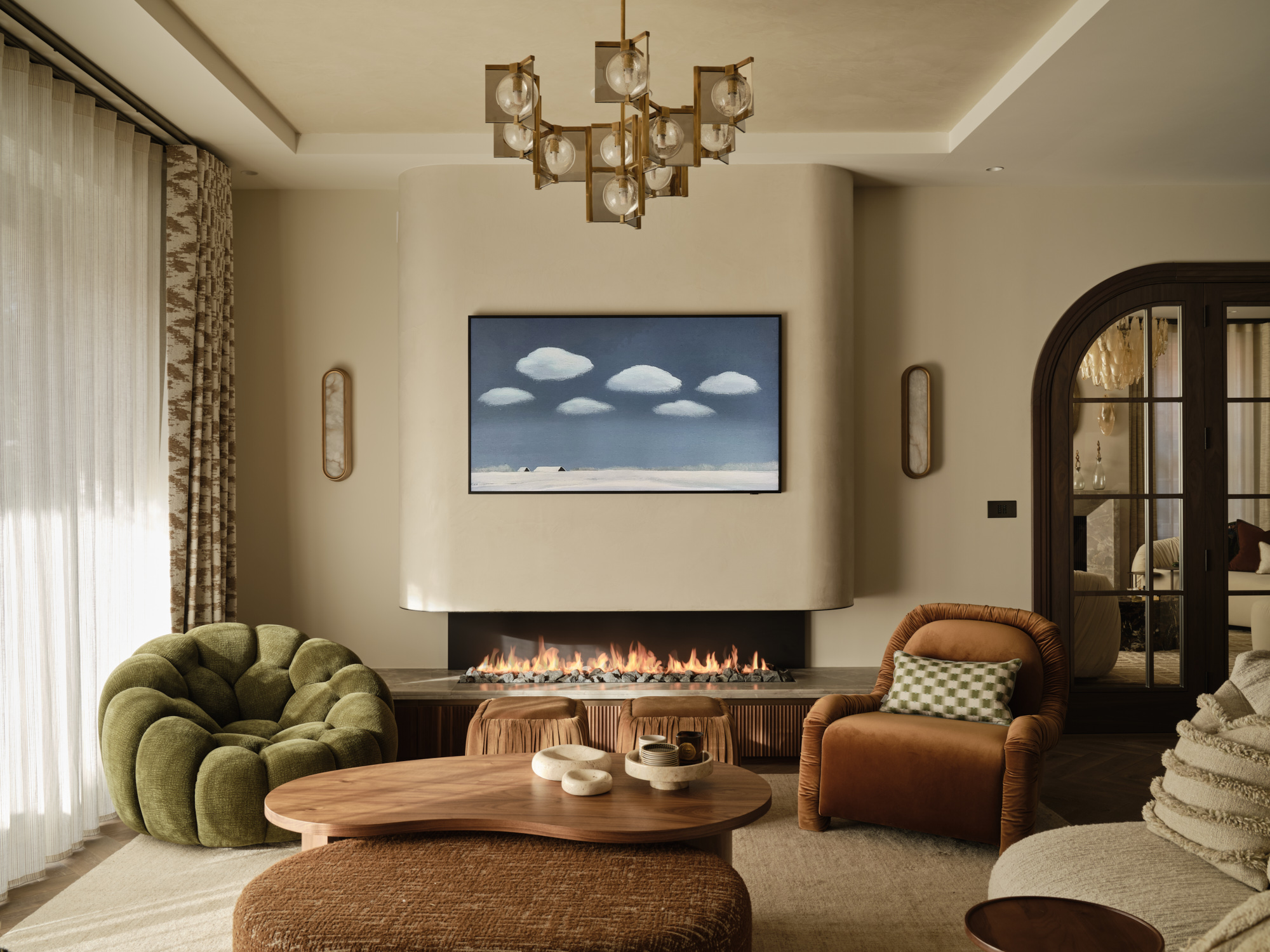
3. Beyond the Traditional Fireplace Surround
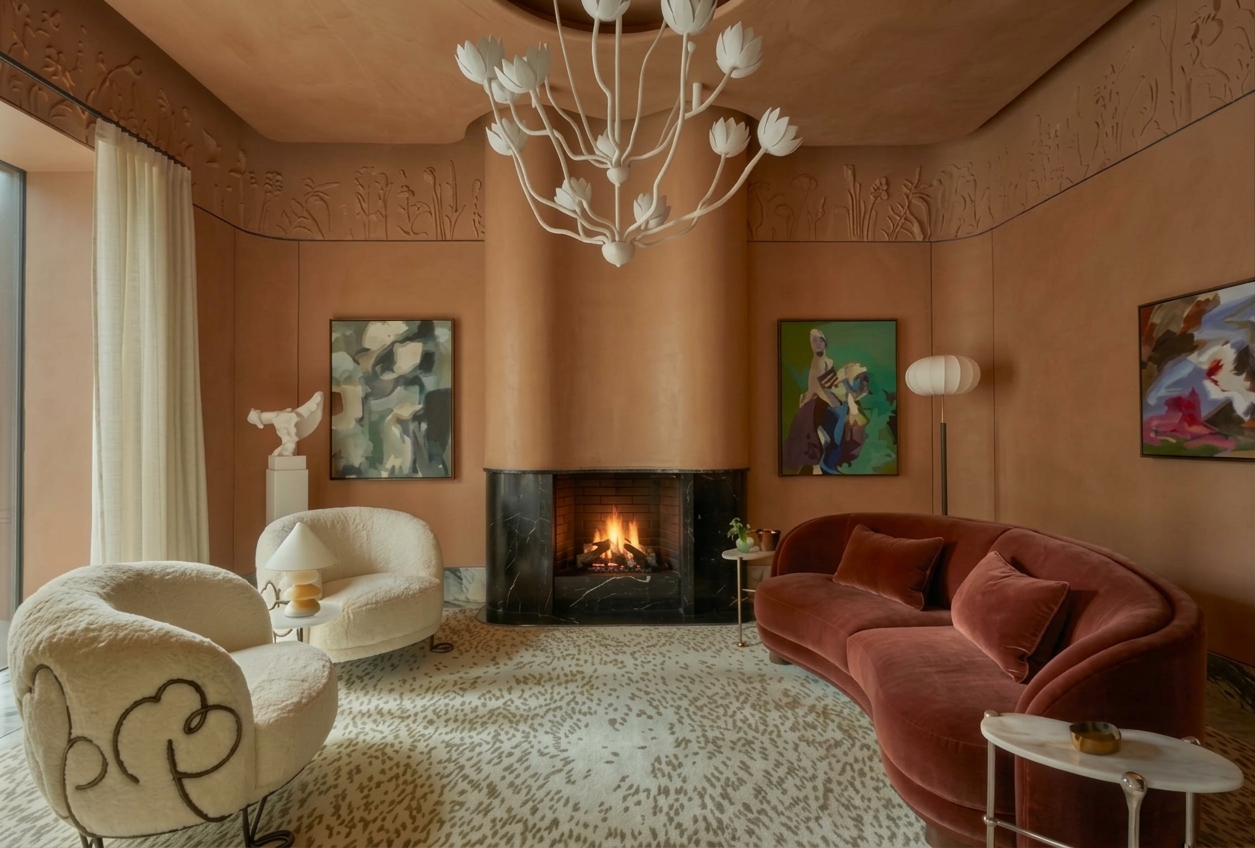
Marble fireplace surrounds are not about to disappear, but the idea of containing material within a conventional frame around the fire is evolving. For 2027, Modus expects bespoke fireplace design to become bolder, more tactile and increasingly expressive in its use of materials.
Highly veined natural stone, textured plaster, aged brass, bronze, specialist steels and richly grained timber are extending beyond the traditional fireplace surround to become part of entire walls, chimney breasts and bespoke architectural structures. Rather than treating the fireplace as a separate feature, designers are using materials to connect fire with the wider interior scheme.
Consider the contrast of smooth natural stone against textured plaster, warm timber paired with blackened steel, or the richness of aged brass incorporated into a bespoke fireplace.
The most interesting applications combine different materials and finishes, introducing depth, tactility and a sense of permanence. This approach is particularly relevant to fully bespoke fireplace design, where dimensions, proportions, finishes and structural details can be developed around a specific architectural concept.
For Modus, the direction is clear: the fireplace is becoming a vehicle for material expression, with the flame forming part of a much larger composition.
The result is an architectural feature designed to be appreciated throughout the year, whether the fire is lit or not.
4. Broken-Plan Living and the Rise of Double-Sided Fireplaces
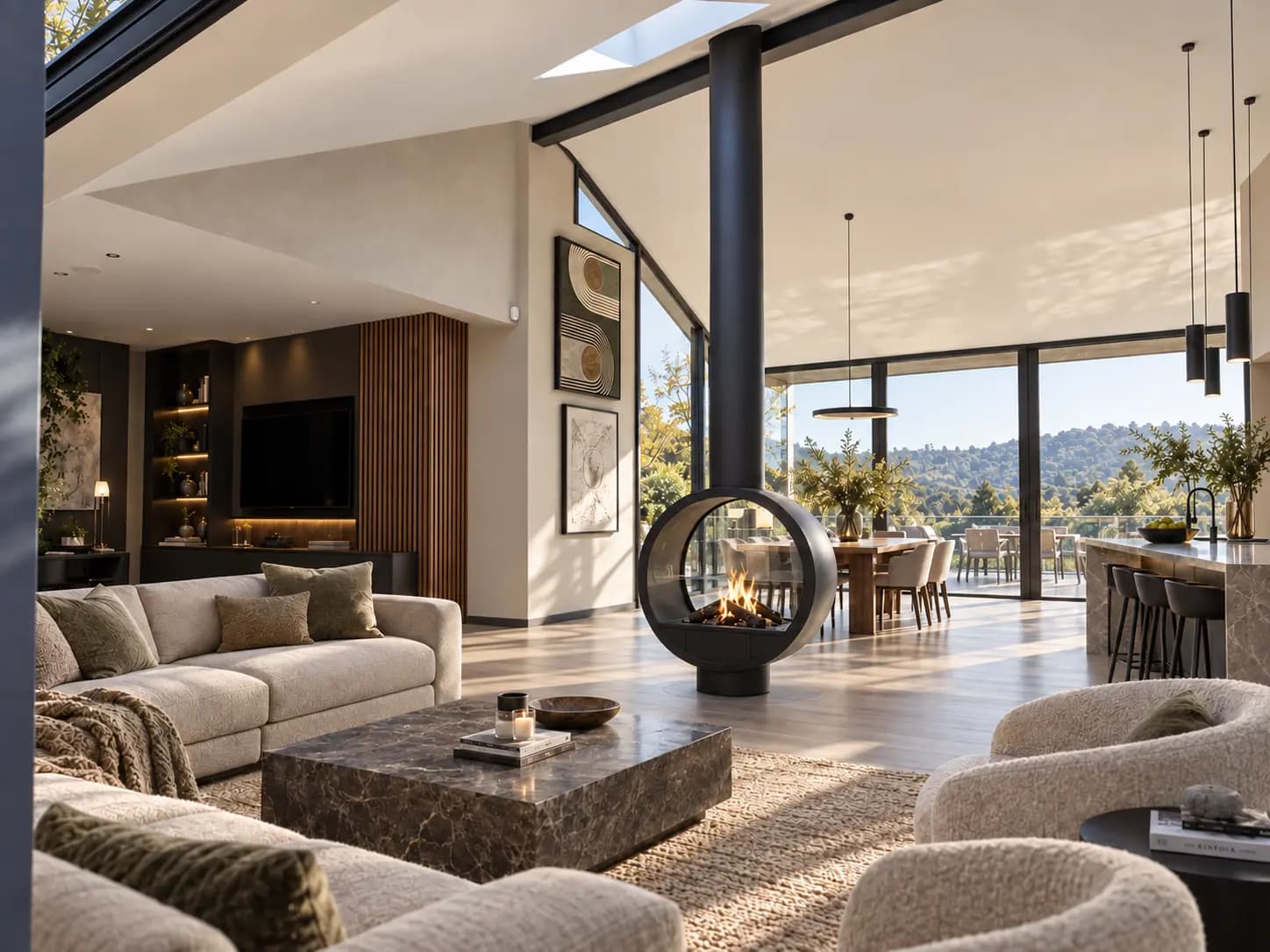
The era of the vast, completely undivided living space is evolving. As architects and interior designers seek to introduce greater intimacy and definition into open-plan homes, double-sided fireplaces are emerging as a compelling solution for dividing space without sacrificing light or openness.
Rather than returning to fully enclosed rooms, broken-plan living introduces subtle distinctions between different areas of an interior while preserving visual connections. Double-sided fireplaces and multi-sided designs are particularly effective in achieving this balance.
A single fireplace can sit between a kitchen and living area, separate a dining space from a lounge, or connect a bedroom with an adjoining suite. The flame remains visible from both sides, creating a shared focal point while establishing a natural architectural boundary.
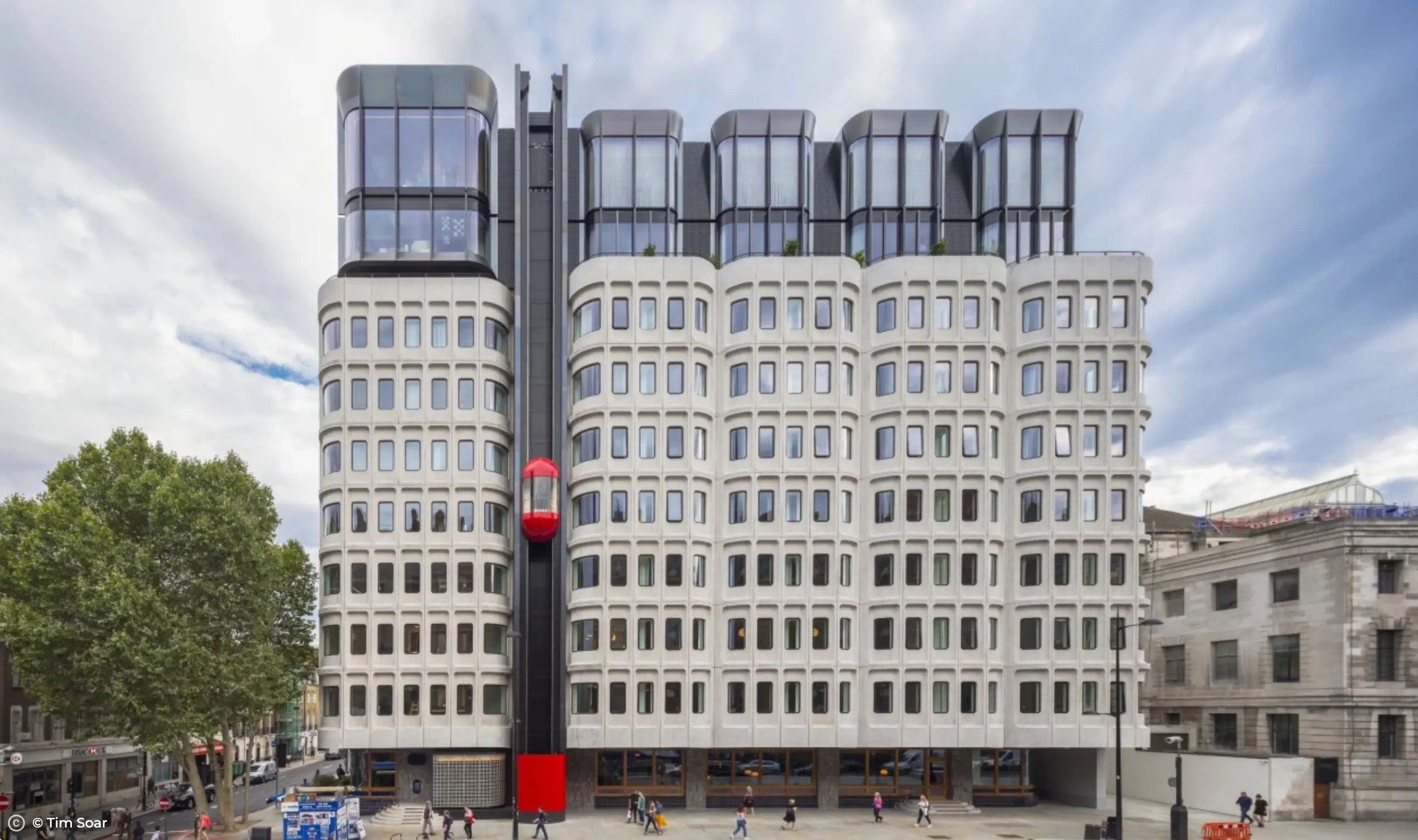
Modus has already demonstrated this approach in leading hospitality settings, including The Berkeley Hotel in London, where bespoke double-sided fireplaces connect bedroom and lounge areas within guest suites. For larger residential properties, these designs offer an opportunity to bring structure and intimacy to expansive rooms without disrupting their architectural flow.
Instead of building a wall and adding a fireplace, the fireplace itself becomes the dividing architecture.
Modus anticipates that double-sided and room-divider fireplaces will become increasingly important in contemporary interior design throughout 2027, particularly as designers seek more flexible, considered ways of defining living spaces.
Explore the Modus Vista collection of bespoke double-sided fireplaces.
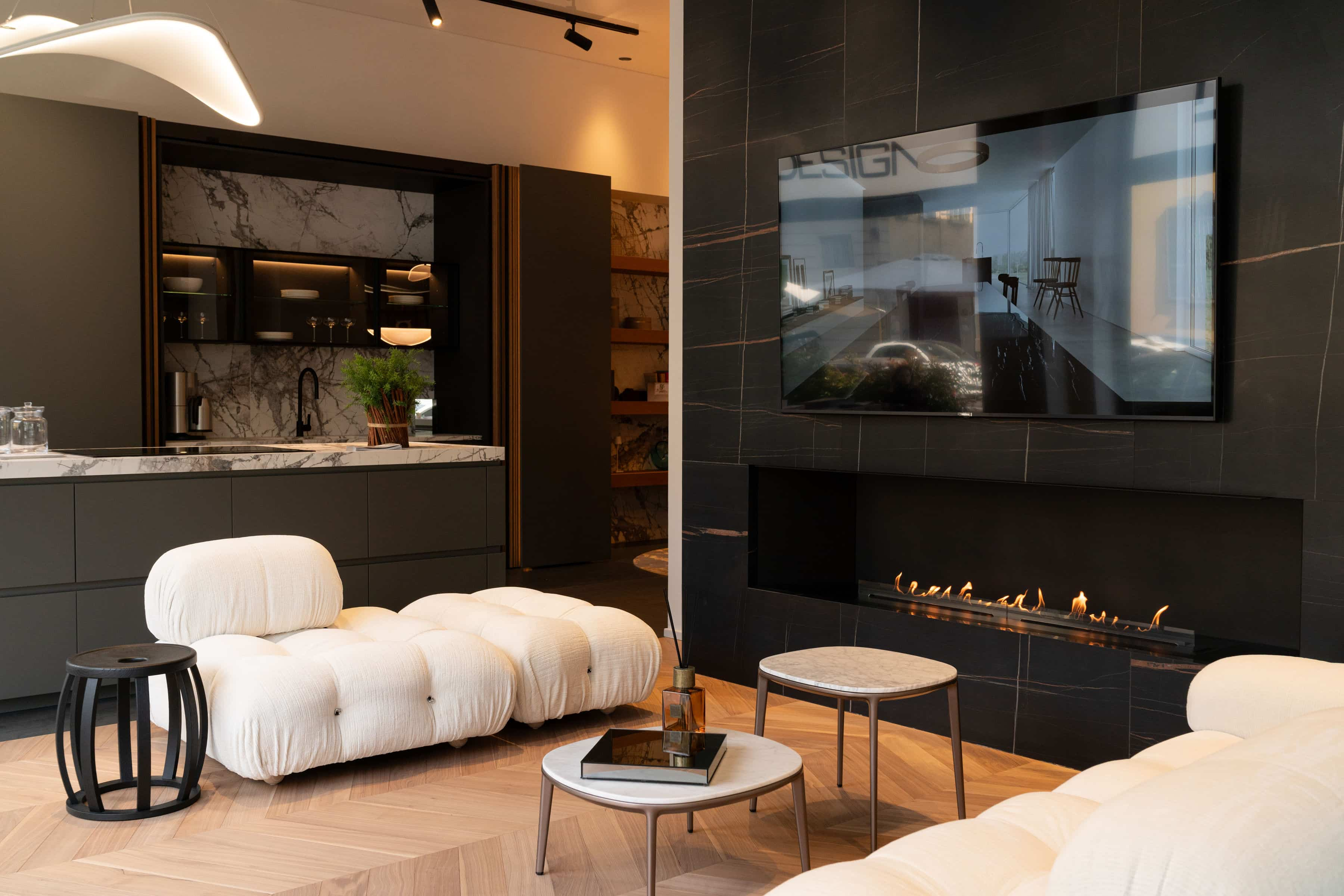
5. Real Flame Without a Chimney: The Evolution of Bioethanol Fireplaces
One of the most significant developments in modern fireplace design is being driven not by aesthetics, but by technology. Advances in premium bioethanol fireplace systems mean that a real-flame fireplace no longer automatically requires a traditional chimney or flue.
For architects and interior designers, this creates considerable freedom. Bioethanol fireplaces use liquid fuel to create a real flame without the need for a conventional flue system. When appropriately specified, they can provide an alternative for contemporary apartments, room dividers, hospitality interiors and architecturally complex spaces where traditional fireplace installation would be difficult.
This flexibility is also changing the types of fireplaces that can be created. Sculptural suspended designs, such as the Filiofocus 1600 bioethanol fireplace, demonstrate how real flame and expressive architectural forms can be combined without a functioning chimney.
For designers, the conversation can increasingly begin with where fire would have the greatest architectural impact, rather than where an existing chimney dictates it must be placed.
However, flueless does not mean unrestricted. Bioethanol fireplaces still require appropriate ventilation, careful consideration of room size and heat output, and correct installation and operation.
"Technology has completely changed the creative conversation around fire," says Sanders. "There are spaces where even a decade ago introducing a real flame would have been incredibly difficult. Today we have far more freedom to start with the design ambition and work backwards to the technical solution."
For 2027, Modus expects continued interest in premium bioethanol fireplaces as architects and interior designers look for greater flexibility without abandoning the atmosphere of authentic flame.
Discover the Modus Atmos collection of contemporary bioethanol fireplaces.

The Future of Fireplace Design: An Architectural Approach
Taken together, these five trends point towards a broader evolution in contemporary fireplace design. Fireplaces are no longer being considered simply as appliances or decorative additions. Increasingly, they are being conceived as architectural elements that contribute to the structure, atmosphere and identity of a space.
For architects, interior designers and homeowners planning a luxury residential or hospitality project in 2027, the opportunity lies in considering fire early, exploring the full range of available technologies and treating the fireplace as an integral part of the wider design.
At Modus Fireplaces, this approach has defined the business for four decades.
From sculptural suspended fireplaces and dramatic double-sided designs to fully bespoke architectural installations, every project is developed in response to its surroundings, combining design ambition with technical precision.
Considering a bespoke fireplace for your next project? Speak to the Modus design team to explore the possibilities.
About Modus Fireplaces
Modus Fireplaces is a London-based specialist in luxury bespoke architectural fireplaces, with four decades of experience designing and delivering distinctive installations for private residences, leading hotels and commercial spaces across the UK and internationally.
Working in collaboration with architects and interior designers, Modus specialises in fully customised gas, wood, electric and bioethanol fireplaces, from sculptural suspended designs to technically ambitious architectural installations.
Its comprehensive service encompasses concept development, 3D visualisation, technical specification, project management and specialist installation.
If you can conceive it, Modus can deliver it.